
Add a marketplace to your Shopify store
Open your eCommerce to third-party vendors, while Shopify stays your core commerce engine. No migration, no replatforming, no vendor lock-in.
Two ways to pay for your move
Replatform off Shopify
Walk away from the storefront, checkout, and apps your team tuned for years – or push them under someone else's SaaS – and give up a share of every sale.
Add a marketplace app
It handles a handful of vendors and a simple commission split. As the marketplace grows it hits the limits of the app model – no real per-vendor system of record, no configurable BuyBox, no settlement that matches the books – and you end up replatforming anyway.
How Shopify and Mercur work together
Shopify stays your commerce core – storefront, checkout, payments, taxes. Mercur runs the third-party marketplace beside it, connected over APIs and events. Each scales on its own.
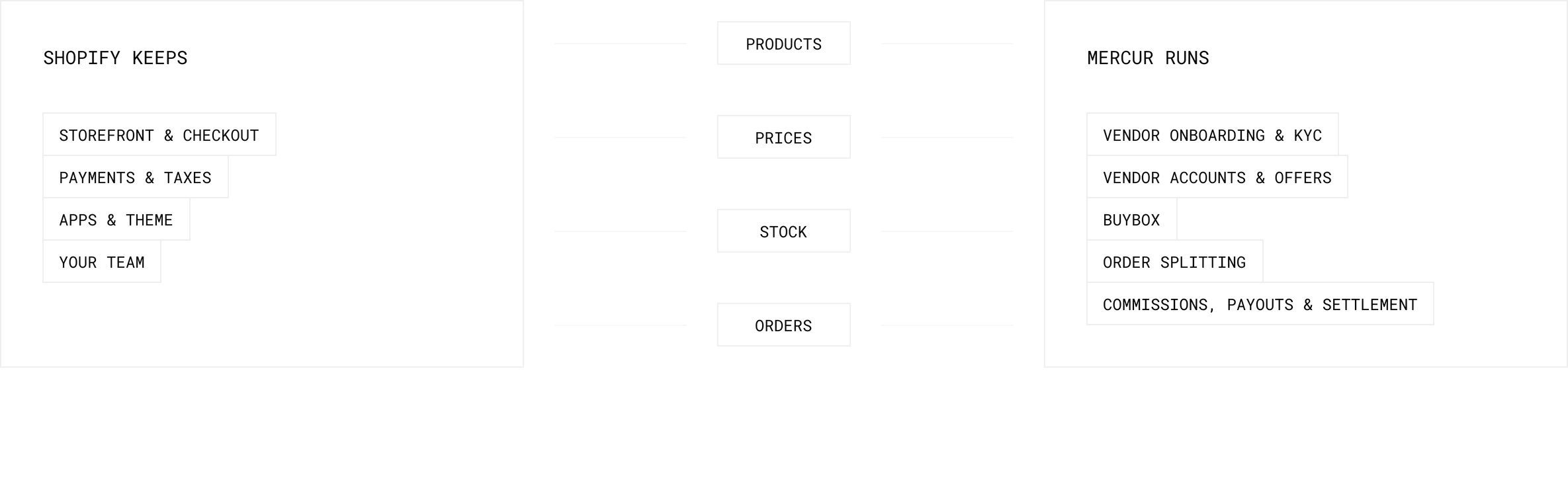
You bring your own vendors – the suppliers and partners you already work with. No network to rent, no marketplace to share.
Why keep marketplace logic out of your Shopify core?
| Marketplace as a Shopify app | Marketplace on Mercur, beside Shopify |
|---|---|
| Vendors squeezed into users or staff | A real per-vendor system of record |
| Logic scattered across apps | Isolated, with its own extension points |
| Bound by the app model's limits | A full engine – BuyBox, settlement, command center |
| You outgrow it and replatform | Vendors scale without a rebuild |
What changes in your store once you add a marketplace?
With Mercur, product pages show competing offers, one checkout covers every vendor, and one customer order becomes a separate order, payment, and payout per vendor.
Onboard a vendor
A configurable application, KYC and KYB through your payment provider, and a hard rule: no verification, no payout.

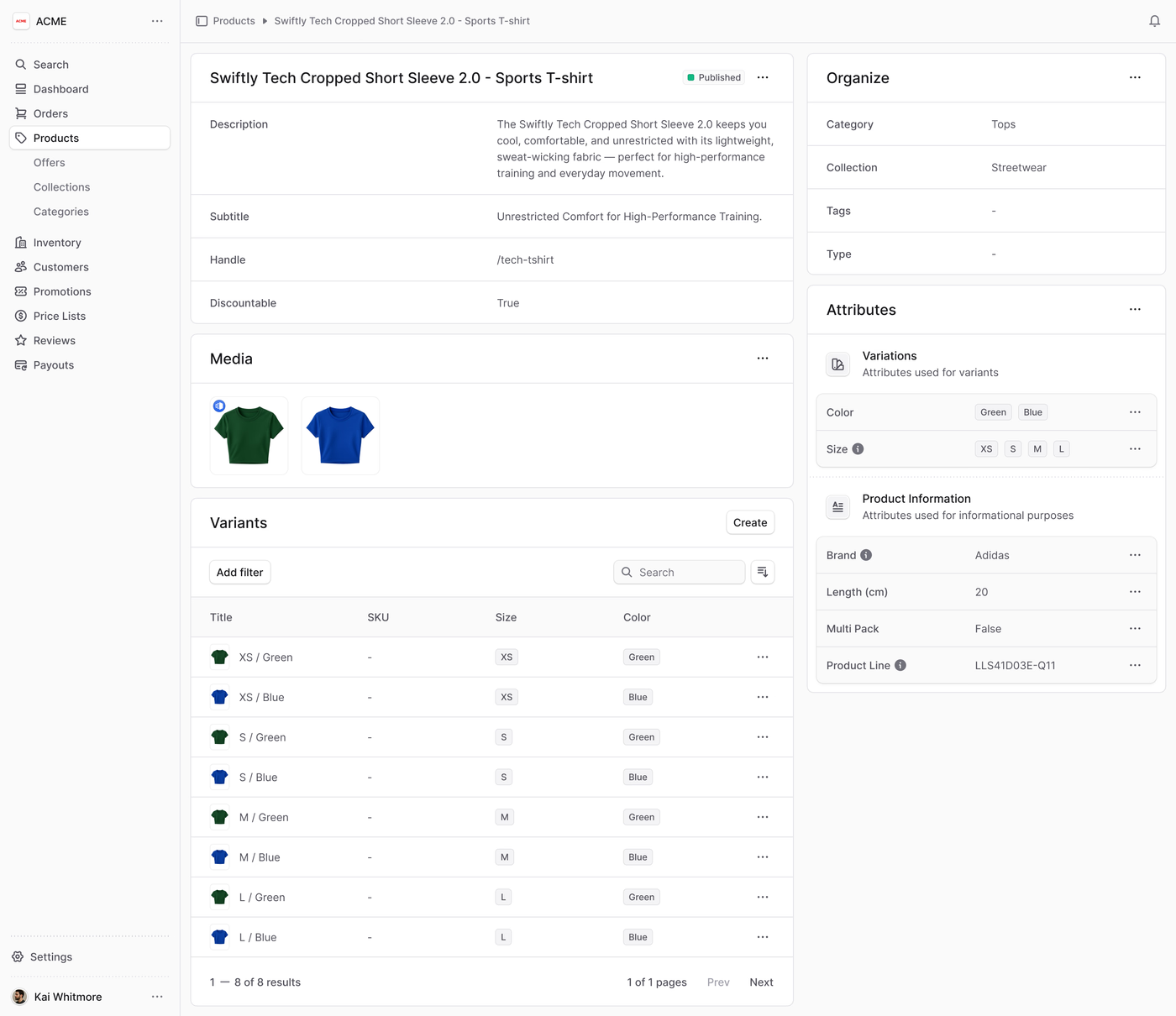
List the catalog
Bulk import by file or API with a mapping wizard. Listings dedupe by EAN, so three versions of one phone become one product with competing offers.
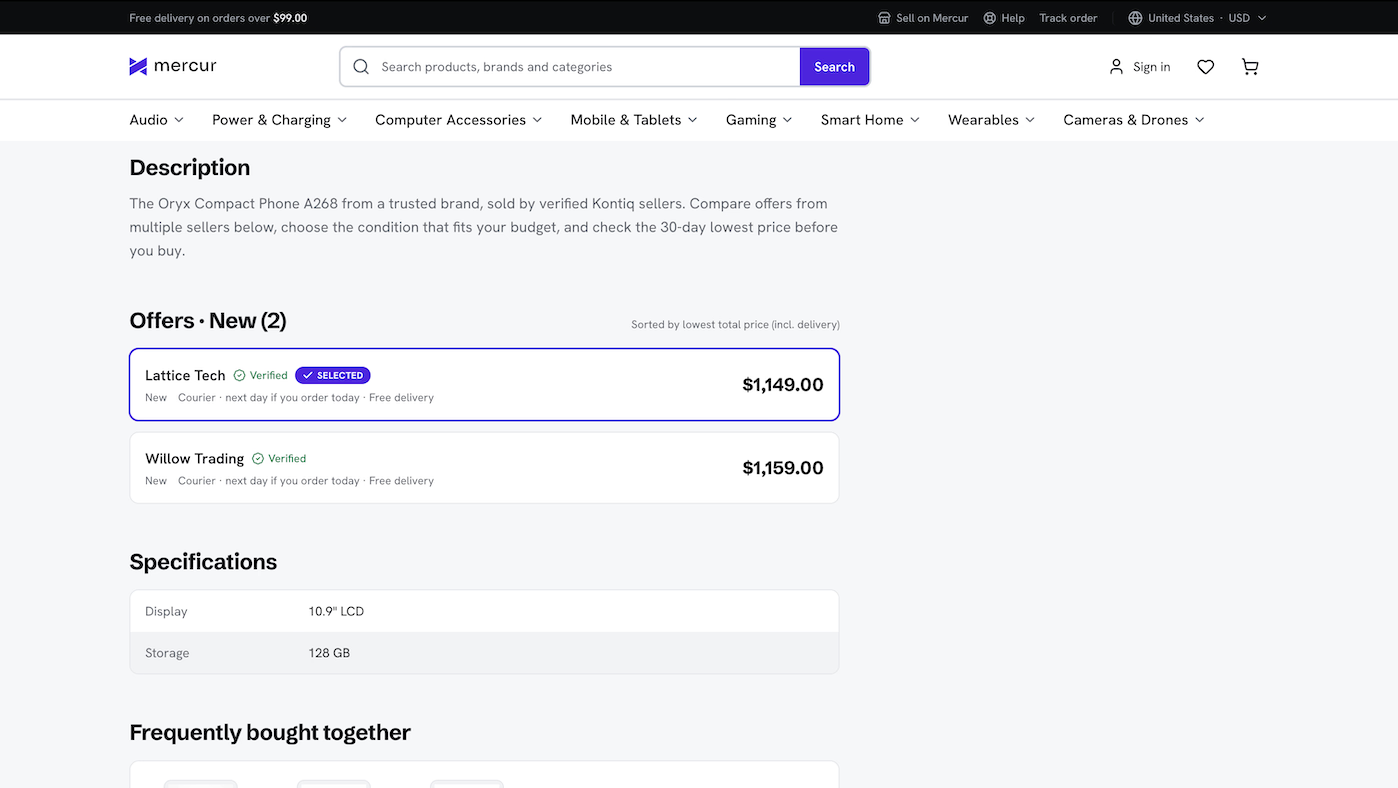
Win the sale
Offers compete on price and availability. The BuyBox picks the winner and shows every vendor standing behind it.
Take a mixed cart
One checkout across your own products and third-party offers, with shipping costed per vendor.
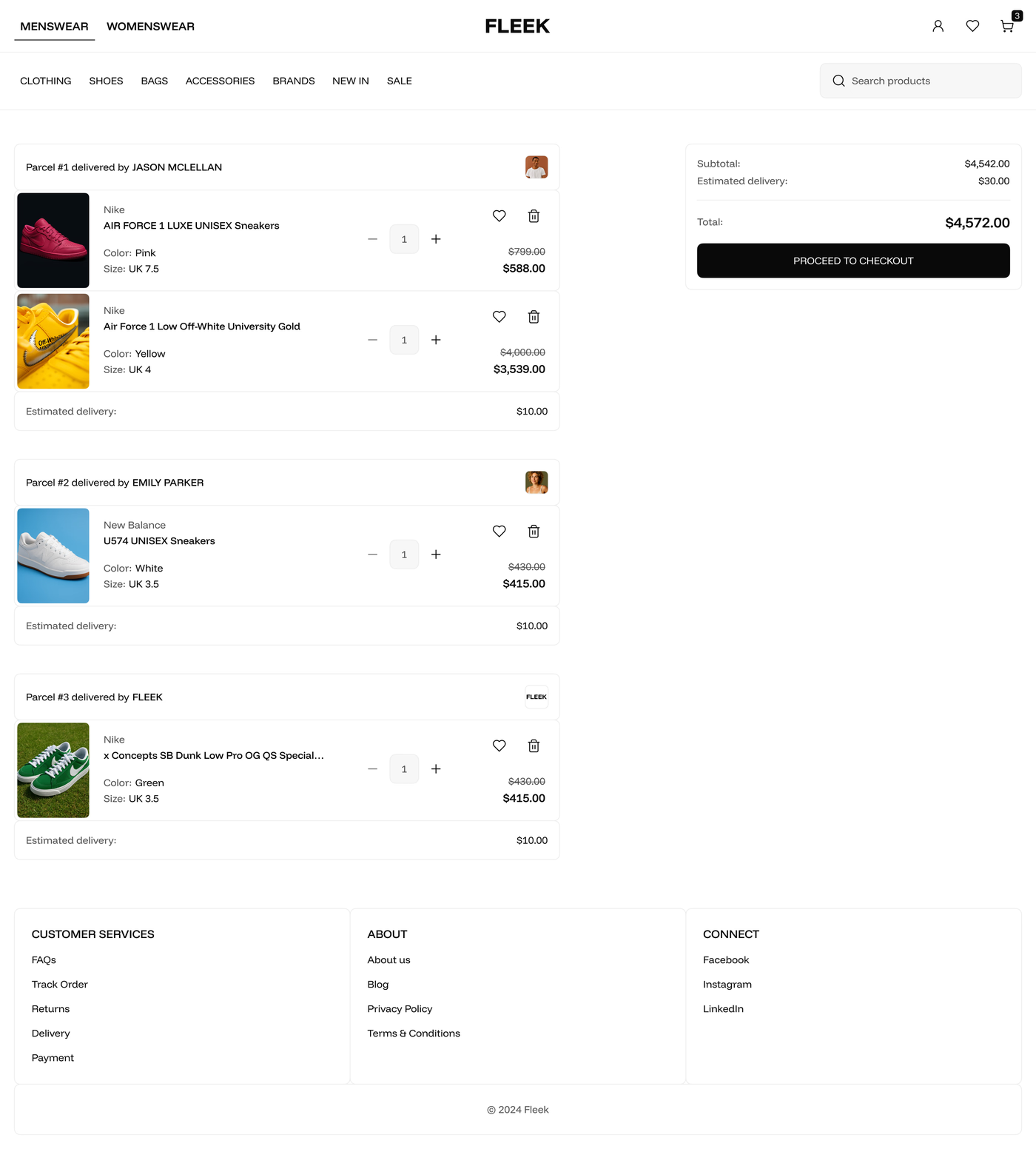
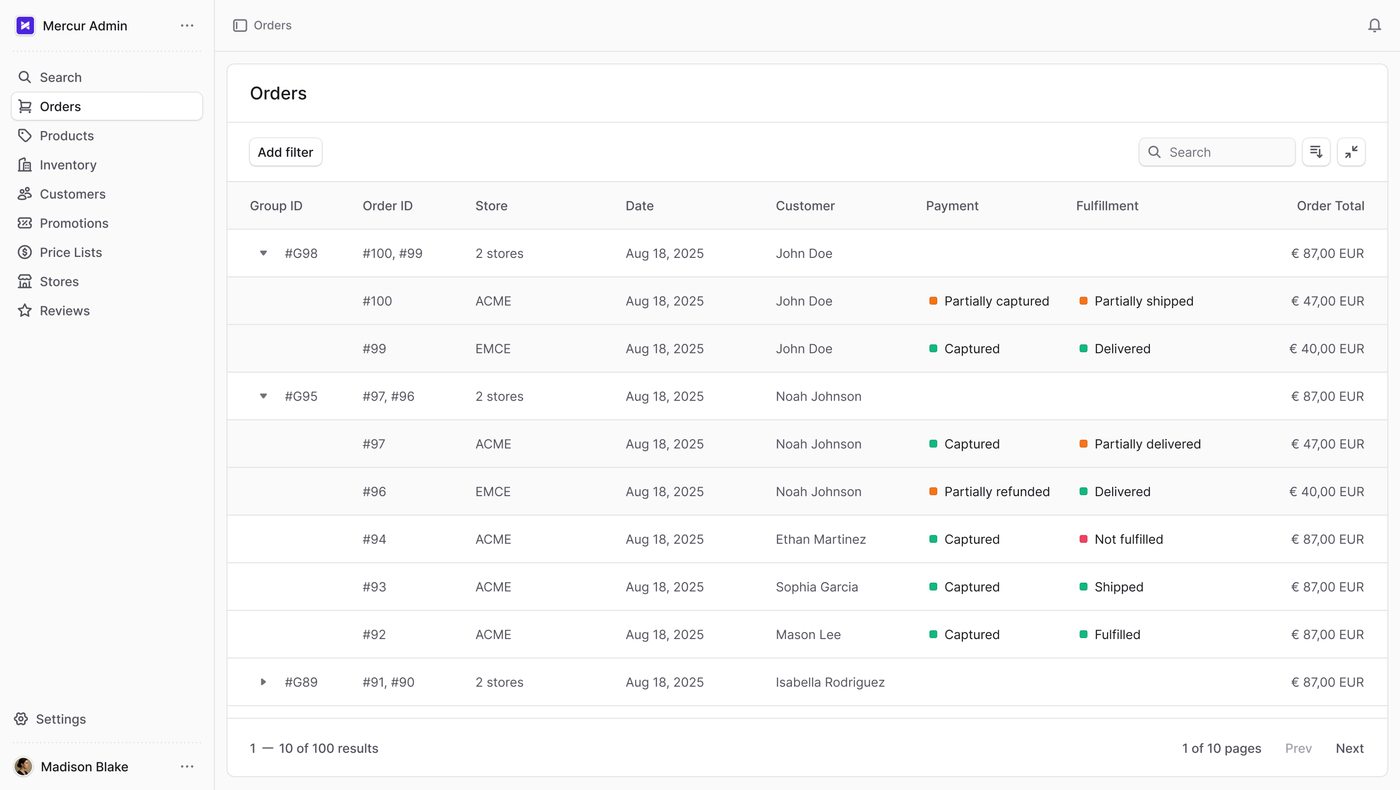
Split the order
The cart breaks into a separate order and payment per vendor, on its own.
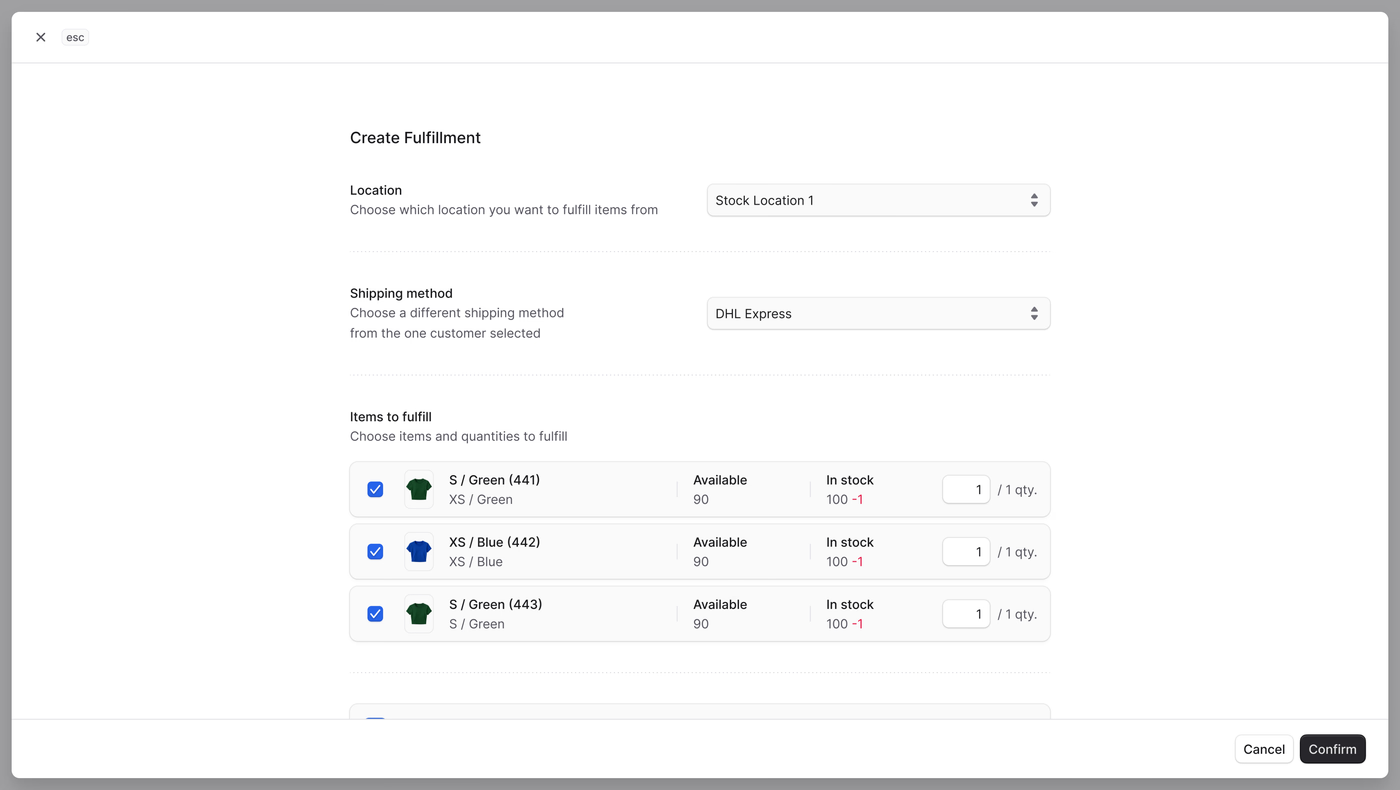
Fulfill and track
Logistics classes, lead times, lockers, and multi-shipment – with a status flow where only the admin marks an order received.
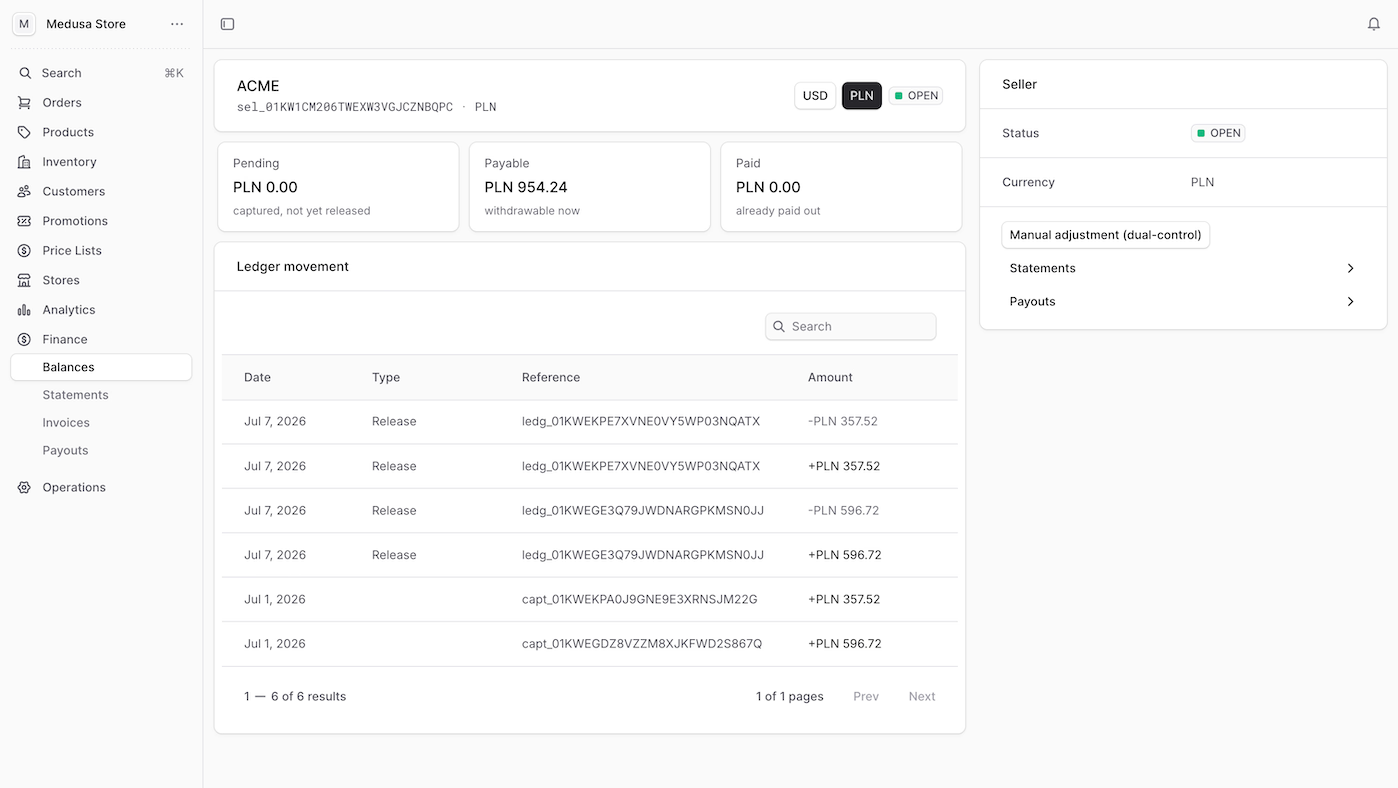
Settle and pay out
An append-only ledger, real Pending, Payable, and Paid balances, statements, and invoices. The balance a vendor sees is the money they get.
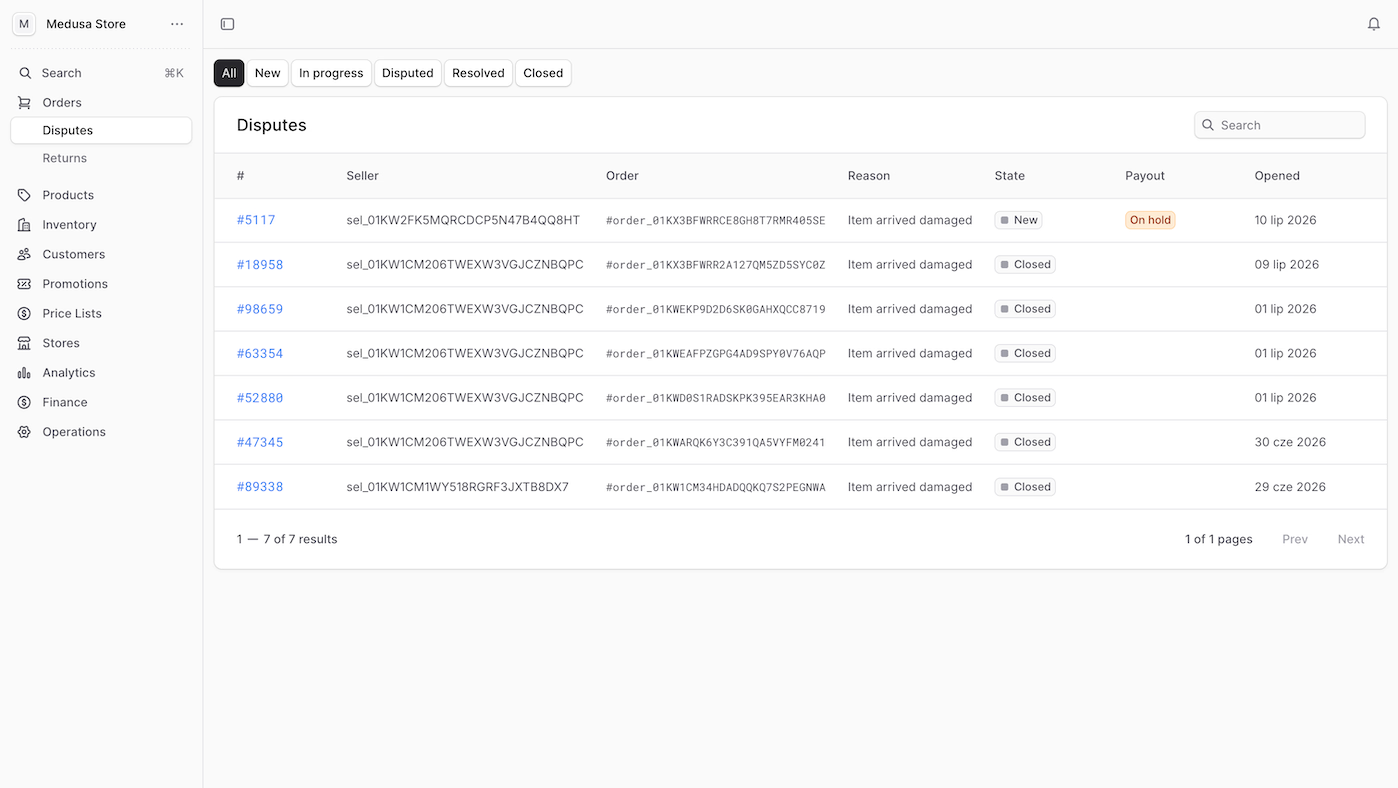
Handle returns and disputes
Per-line returns on your policy window, refunds that match the books, and disputes that hold a payout until they close.
And the part most platforms leave to a spreadsheet: every data export is logged. When someone walks out with the vendor list, there is a record.
How Mercur compares with SaaS marketplace platforms
| SaaS Marketplace | Mercur | |
|---|---|---|
| Core technology | Closed, vendor-only | Open source (MIT), public |
| Enterprise code | Black box | Full source for licensees |
| Integrations | Separate products | Built into one platform |
| Customization | Tickets and workarounds | Your own layer, official extension points |
| Deployment | Vendor cloud only | Any cloud or on-premise |
| Cost model | A percentage of your GMV | Zero GMV fees |
| Exit | Lock-in | You keep what you paid for |
| Developer pool | Certified specialists | Any web developer |
How the connector communicates with Shopify
Mercur connects to Shopify over OAuth and the Admin API. Your Shopify catalog, prices, and stock flow into Mercur as offers; Shopify stays the storefront and checkout your customers already use.
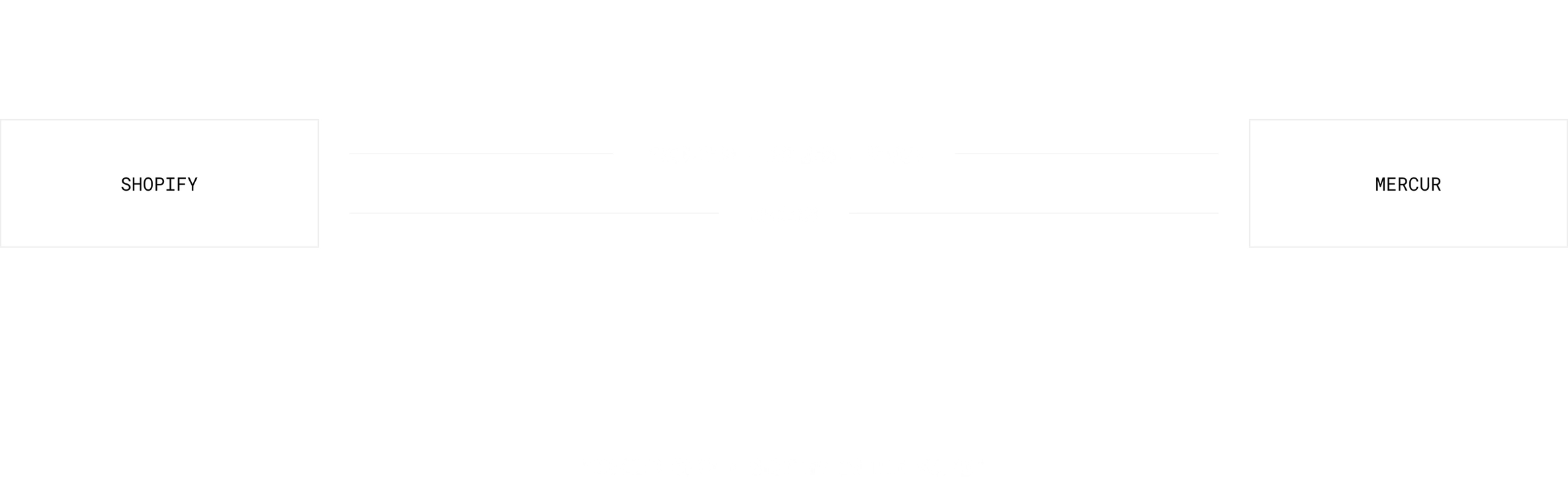
What the connector does in your Shopify store
Onboards a Shopify store over OAuth, with encrypted credentials.
Syncs products, prices, and inventory inbound, with AI-assisted mapping.
Signed webhooks keep Mercur current as your catalog changes.
Connect is the integration framework, and the Shopify connector is a working pattern in it. Production-grade delivery and your exact setup – including headless – we configure per deployment. Connect is part of Mercur Enterprise.
What the integration process looks like
Four steps, with a team that has shipped marketplaces in production.
Questions procurement will ask
Straight answers, in the order they come up.
General questions
See how leading brands build their marketplace
Talk to the team behind Mercur – how it works, how other brands build with it, and where it fits for you.